Featured

Table of Contents
Before you dedicate to any trainee loan relief program, get clear responses in composing to these concerns: What is the total expense regular monthly costs plus any registration charge over the complete length of the program? What occurs if the federal program they've enrolled you in modifications or is gotten rid of? Trainee loan relief programs aren't right for everybody.
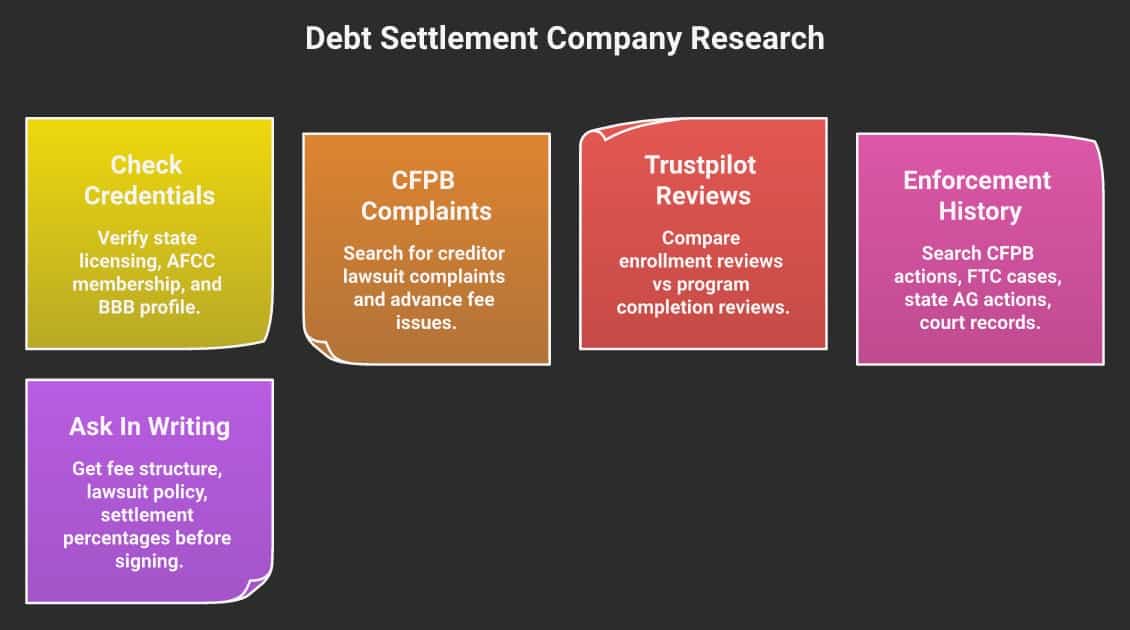
Validate BBB listing, NMLS licensing, and regulative status before anything elseRead CFPB problems for patterns not simply raw numbersOn Trustpilot, compare reviews about interactions vs. reviews about actual program outcomesCheck CFPB, FTC, and state enforcement history including any court receivership recordsGet responses to the registration concerns in writing before you signThe remarks section below consists of genuine experiences from genuine customers read them No.
Before paying any company for trainee loan assistance, check out to understand what programs you may qualify for on your own. You can also file with your state attorney general's workplace and the BBB.
Professional Tips for Resolving Personal DebtI 'd motivate you to check the court receiver's website for the most existing status, including whether customer refund processes are readily available. For-profit trainee loan relief companies typically assist debtors look for federal repayment programs income-driven repayment plans, Civil service Loan Forgiveness, or consolidation. The crucial concern is whether those services deserve the fees, considered that the underlying federal programs are free to gain access to directly at .
Understanding all your choices including the totally free ones is the finest beginning point. If you've worked with USA Student Debt Relief as a client, a previous employee, or someone who looked into them and chose not to register I 'd motivate you to share your experience in the remarks.
Reliable Strategies to Negotiate Unpaid Debt
+ Free Newsletter Your Money Actually The unfiltered debt takes I can't fit on this website for individuals making excellent money who are still drowning in debt. + Consumer financial obligation expert & investigative writer.
Do government financial obligation relief programs exist? Yes, there are a number of programs available to individuals with financial issues who need assistance. These programs consist of: IRS New beginning programIncome-driven trainee loan repaymentStudent loan special needs dischargePublic service loan forgivenessIf you certify, these programs can help you get out from under unaffordable debt. There are no federal government financial obligation relief programs for credit card balances.
Can the government assist with your debt? It's possible. There are a few different ways the federal government could help make your financial obligation more workable. Federal debt relief programs can assist with debts like unpaid taxes and student loans. For qualified borrowers, they offer a variety of solutions to make your financial obligation more inexpensive.
Choosing Legitimate Debt Settlement Services in 2026
If you have credit card debt or other types of non-government debt, federal debt relief programs may still belong to the option for you. Taking advantage of government relief for taxes or student loans might leave you with more resources to deal with other types of financial obligation. Make the effort to review the federal government debt relief choices described below to see if you may qualify.
IRS financial obligation relief alternatives include: Pay over time: You can apply to the IRS to establish an installment payment plan instead of needing to pay all at onceOffer in compromise: This is a negotiated settlement to pay less than the total you oweCurrently not collectible: If the IRS determines you can not pay your debt at this time, they may consent to delay collection until you are much better able toPenalty abatement: The internal revenue service may accept waive specific penalties if you took steps to adhere to the guidelines however didn't pay due to aspects beyond your control.
Income-driven payment plans are developed to make your trainee loan payments more cost effective. There are 4 types of income-driven student loan repayment plans: Conserve on a Prized Possession Education (SAVE): This was previously the REPAYE Plan.
Forgives staying debt after 20 to 25 years. Forgives staying debt after 20 years.
Professional Tips for Resolving Personal DebtForgives staying financial obligation after 25 years. Note that these plans undergo alter gradually. A few of these repayment plans might become not available to new debtors in 2026. Take a look at the federal government's Trainee Aid site for the current information. Even for those who qualify, these plans are not automated.

Locating Professional Insolvency Support in 2026
Qualification for these programs depends on your financial scenarios, what kind of loan you have and when you borrowed it. See the site for details on your eligibility. If you have federal trainee loans and you end up being completely and completely handicapped, you might be able to get your loans discharged.
Loans eligible for disability discharge include: William D. Ford Federal Direct LoansFederal Family Education Loans (FFEL)Federal Perkins LoansTo certify for a student loan discharge on the premises of disability, you require to be able to record your special needs status. This documents can originate from the U.S. Department of Veterans Affairs (VA), the Social Security Administration (SSA), or a doctor.
Throughout this time, the Department of Education could renew your obligation to your loans if it's identified that you're no longer handicapped, your family earnings surpasses particular allowed limits, or you take out brand-new federal trainee loans. The Civil Service Loan Forgiveness (PSLF) Program deals forgiveness for specific federal customers who work for qualified employers.
To get approved for federal student loan forgiveness, you must: Make 120 qualifying payments towards your loansBe employed by a U.S. federal, state, regional, or tribal government, or a not-for-profit company Work full-time for that agency or organizationOwe qualified Direct Loans (or consolidate other federal loans into a Direct Loan)Enroll in an income-driven payment planIf you avoid payments during your loan grace period, while you're enrolled in school, or throughout specific deferment and forbearance durations, those will not count toward the 120 qualifying payments you require for loan forgiveness.

Latest Posts
Finding Local Financial Relief Affiliates in 2026
Legal Changes for Debt Settlement in 2026
Trusted Tips for Managing Consumer Debt